 Image 1 of 2
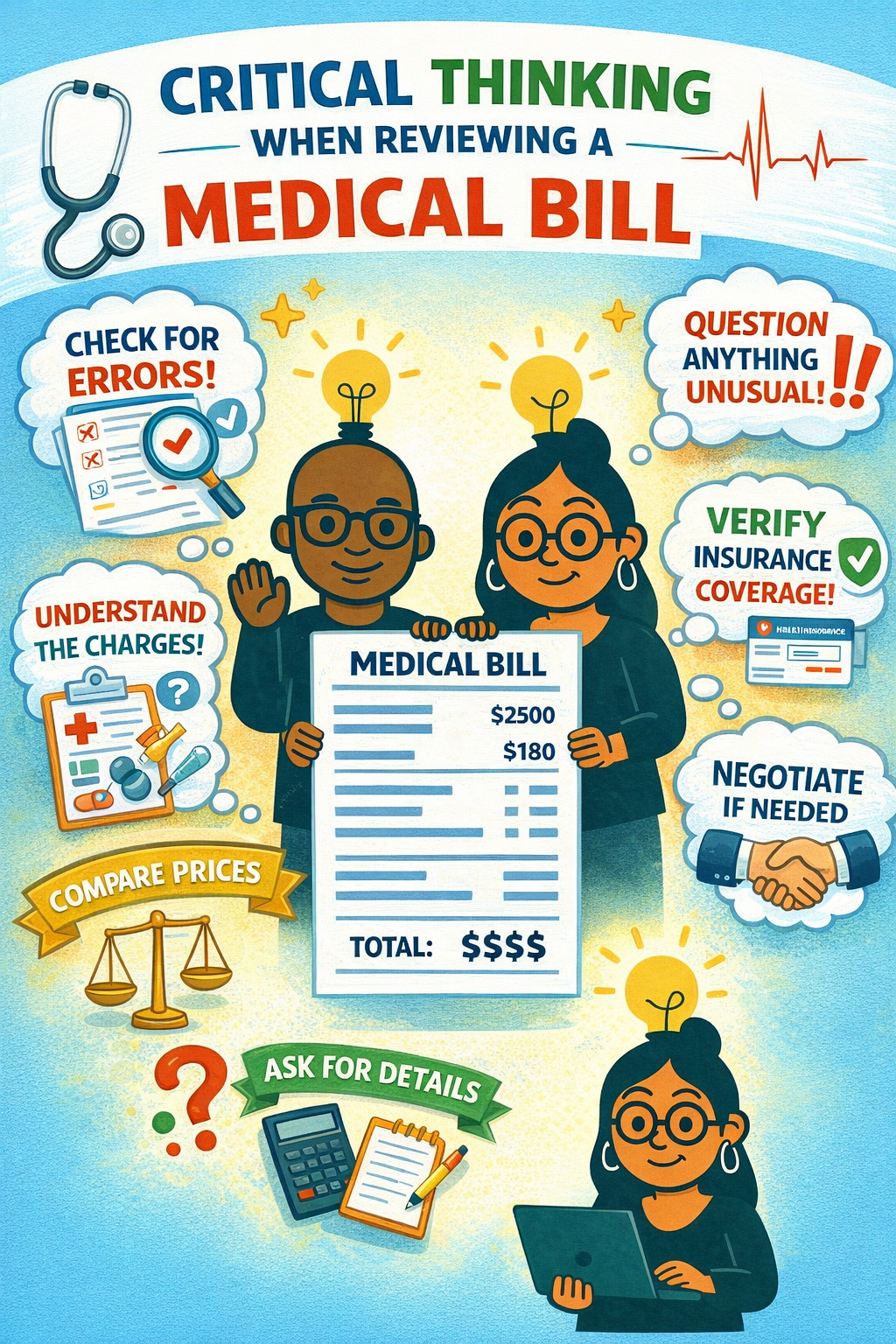 Image 2 of 2
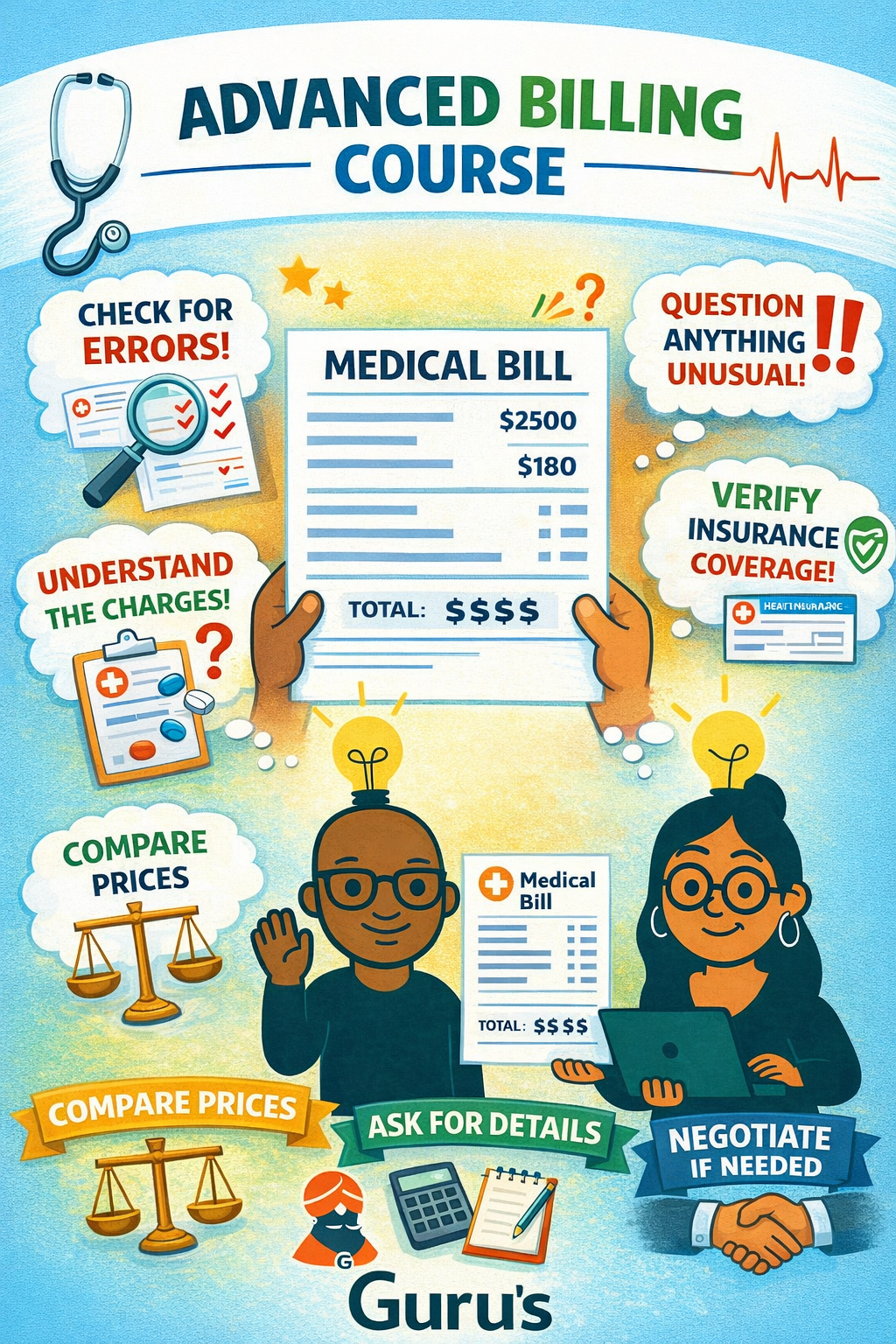
Advanced Level Course for those who have the basics down but are desiring to expand their knowledge and productivity in Medical Billing, or looking to grow in their career. We will give you some of the critical thinking tools and recourses to do just that.
🏥 Payer Policy & Regulatory Expertise
Deep understanding of Medicare, Medicaid, and commercial payer rules
LCDs/NCDs and how to interpret medical‑necessity policies
HIPAA, HITECH, and compliance requirements
Value‑based care, risk adjustment, and HCC coding
Using Critical thinking when reviewing claims
Multi‑layer claim workflows (primary → secondary → tertiary)
Coordination of benefits and subrogation
Corrected claims, reopening requests, and reconsiderations
Handling high‑dollar, inpatient, and surgical claims
Root‑cause analysis of denials
Writing strong appeal letters with supporting evidence
Understanding payer audit types (RAC, CERT, ZPIC/UPIC, commercial audits)
Preparing documentation packets and audit responses
Preventing recurring denials through process redesign
Advanced courses often include modules tailored to complex specialties:
Medical Visits and Treatments (ER, Office, PT, OT, inpatient, Outpatient, Labs)
DME billing and documentation requirements
This is where advanced billers become revenue‑cycle strategists.
KPI tracking (AR days, denial rate, clean claim rate)
Charge capture audits
Payment posting analysis and underpayment detection
Workflow automation and EHR optimization
High‑level courses often include professional development:
Managing a billing team
Creating SOPs and compliance workflows
Suggestions for documentation improvement
Using data to drive decision‑making
Preparing for leadership roles in RCM
Many advanced programs end with hands‑on components:
Real claim case studies
Mock audits
Appeal packet creation
Specialty‑specific coding scenarios
Revenue cycle improvement projects what this product is about. What’s it made of? How was it made? What are ways to improve it?
Advanced Level Course for those who have the basics down but are desiring to expand their knowledge and productivity in Medical Billing, or looking to grow in their career. We will give you some of the critical thinking tools and recourses to do just that.
🏥 Payer Policy & Regulatory Expertise
Deep understanding of Medicare, Medicaid, and commercial payer rules
LCDs/NCDs and how to interpret medical‑necessity policies
HIPAA, HITECH, and compliance requirements
Value‑based care, risk adjustment, and HCC coding
Using Critical thinking when reviewing claims
Multi‑layer claim workflows (primary → secondary → tertiary)
Coordination of benefits and subrogation
Corrected claims, reopening requests, and reconsiderations
Handling high‑dollar, inpatient, and surgical claims
Root‑cause analysis of denials
Writing strong appeal letters with supporting evidence
Understanding payer audit types (RAC, CERT, ZPIC/UPIC, commercial audits)
Preparing documentation packets and audit responses
Preventing recurring denials through process redesign
Advanced courses often include modules tailored to complex specialties:
Medical Visits and Treatments (ER, Office, PT, OT, inpatient, Outpatient, Labs)
DME billing and documentation requirements
This is where advanced billers become revenue‑cycle strategists.
KPI tracking (AR days, denial rate, clean claim rate)
Charge capture audits
Payment posting analysis and underpayment detection
Workflow automation and EHR optimization
High‑level courses often include professional development:
Managing a billing team
Creating SOPs and compliance workflows
Suggestions for documentation improvement
Using data to drive decision‑making
Preparing for leadership roles in RCM
Many advanced programs end with hands‑on components:
Real claim case studies
Mock audits
Appeal packet creation
Specialty‑specific coding scenarios
Revenue cycle improvement projects what this product is about. What’s it made of? How was it made? What are ways to improve it?